
Mastering the Art of Professional Outdoor Photography
Updated: Oct 20, 2025
Outdoor photography offers a unique blend of challenges and opportunities. The natural environment provides stunning backdrops, dynamic lighting, and endless subjects. However, mastering the art requires more than just pointing a camera and clicking. It demands understanding light, composition, equipment, and timing. This guide will walk you through essential outdoor photography techniques to elevate your skills and capture breathtaking images.
Essential Outdoor Photography Techniques to Enhance Your Shots
Outdoor photography techniques vary depending on the environment and subject. Here are some foundational tips to help you get started:
Understand Natural Light: The quality of light outdoors changes throughout the day. The golden hours—shortly after sunrise and before sunset—offer soft, warm light that enhances colors and textures. Midday light is harsh and creates strong shadows, so use it creatively or seek shaded areas.
Use a Tripod for Stability: Outdoor conditions can be unpredictable. A tripod helps stabilize your camera, especially in low light or when using slow shutter speeds.
Adjust Your Camera Settings: Use a low ISO to reduce noise, a narrow aperture (high f-number) for landscapes to keep everything in focus, and a faster shutter speed for moving subjects like wildlife or water.
Incorporate Foreground Interest: Adding elements in the foreground creates depth and draws viewers into the scene.
Experiment with Angles and Perspectives: Don’t just shoot from eye level. Try low angles, high angles, or side views to add variety and interest.

How to Choose the Right Gear for Outdoor Photography Techniques
Selecting the right equipment is crucial for successful outdoor photography. Here’s what to consider:
Camera Body: A DSLR or mirrorless camera with manual controls is ideal. These allow you to adjust settings precisely.
Lenses: A versatile zoom lens (e.g., 24-70mm) covers many scenarios. For landscapes, a wide-angle lens captures expansive views. For wildlife, a telephoto lens helps you get close without disturbing animals.
Filters: Polarizing filters reduce glare and enhance colors, especially in skies and water. Neutral density filters allow longer exposures in bright conditions.
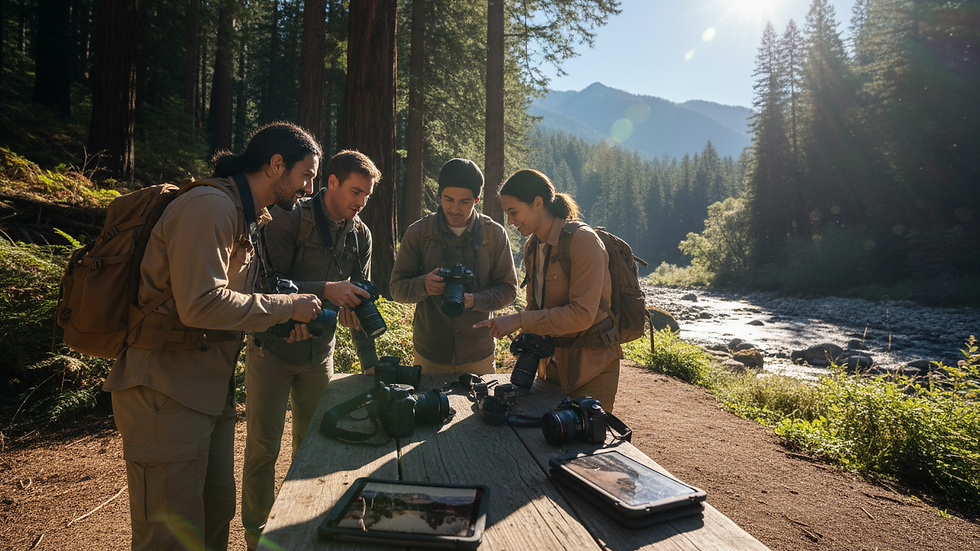
Accessories: A sturdy tripod, extra batteries, memory cards, and weather protection gear (rain covers, lens hoods) are essential.
Remember, the best gear is the one you know how to use well. Practice with your equipment to understand its strengths and limitations.

What is the 3:1 Rule in Photography?
The 3:1 rule is a guideline to avoid camera shake and ensure sharp images, especially when shooting handheld. It suggests that your shutter speed should be at least three times the focal length of your lens. For example, if you are using a 50mm lens, your shutter speed should be at least 1/150 seconds (50mm x 3 = 150).
This rule helps reduce blur caused by slight hand movements. It’s particularly useful in outdoor photography where lighting conditions can vary, and you might not always have a tripod handy.
Example: If you’re shooting a landscape with a 24mm lens, a shutter speed of 1/75 seconds or faster is recommended to keep the image sharp.
Tips for Capturing Stunning Outdoor Portraits
Outdoor portraits combine natural light and environment to create compelling images. Here are some tips:
Use Natural Light to Your Advantage: Position your subject so the light falls softly on their face. Overcast days provide diffused light, which is flattering for portraits.
Choose the Right Background: Look for uncluttered backgrounds that complement the subject without distracting.
Engage Your Subject: Encourage natural expressions by interacting and making them comfortable.
Use Reflectors: A reflector can bounce light onto the subject’s face, reducing shadows and adding catchlights in the eyes.
Mind the Composition: Apply the rule of thirds or frame your subject with natural elements like trees or arches.

How to Edit Outdoor Photos for Maximum Impact
Post-processing is an essential step in outdoor photography. Editing can enhance colors, correct exposure, and bring out details. Here’s a simple workflow:
Crop and Straighten: Adjust framing and horizon lines.
Adjust Exposure and Contrast: Brighten shadows and tone down highlights for balanced lighting.
Enhance Colors: Increase vibrancy and saturation carefully to keep natural tones.
Sharpen Details: Apply sharpening to bring out textures in landscapes or subjects.
Remove Distractions: Use cloning or healing tools to eliminate unwanted objects.
Popular editing software includes Adobe Lightroom and Photoshop, but many free apps also offer powerful tools.
Mastering outdoor photography techniques takes practice and patience. By understanding light, using the right gear, applying composition rules, and refining your images in post-processing, you can create stunning photographs that tell a story. For those looking to deepen their expertise, exploring professional outdoor photography resources and tutorials can provide valuable insights and inspiration. Keep experimenting, and let nature be your creative partner.

Comments